
By Catherine Jacobi | Parsons School of Design | Fall 2025 | Inside Fashion Styling
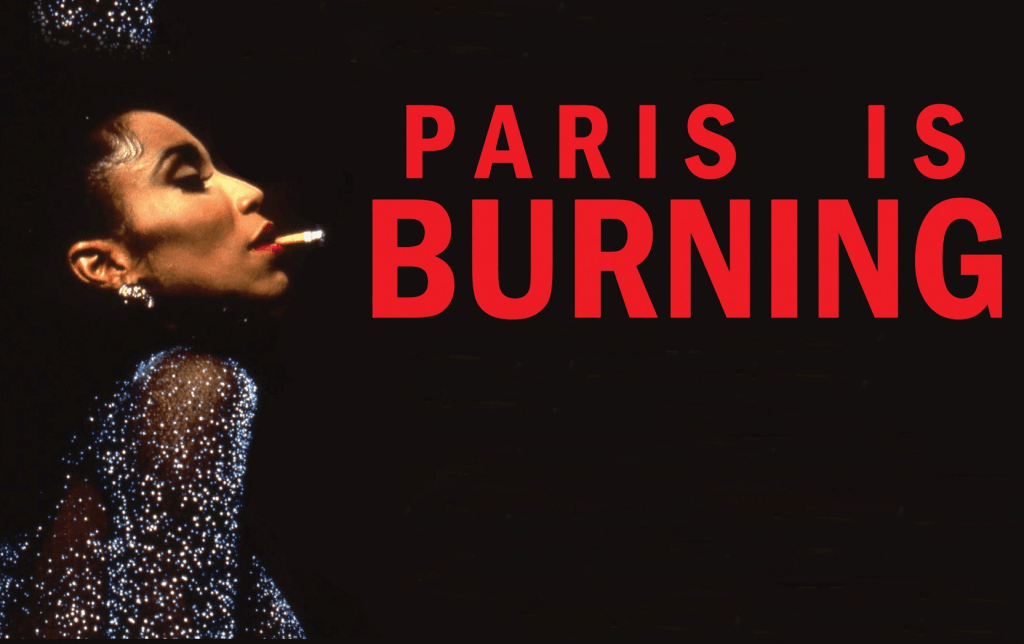
Jennie Livingston’s Paris Is Burning (1990) captures the energy, challenges, and creativity of New York’s underground ballroom scene, highlighting Black and Latinx LGBTQ+ communities who redefined performance, fashion, and “realness” as forms of resistance and self-expression. Although set in the 1980s, the film’s depiction of the ball scene continues to shape today’s fashion industry, influencing both aesthetics and movements for authentic representation.
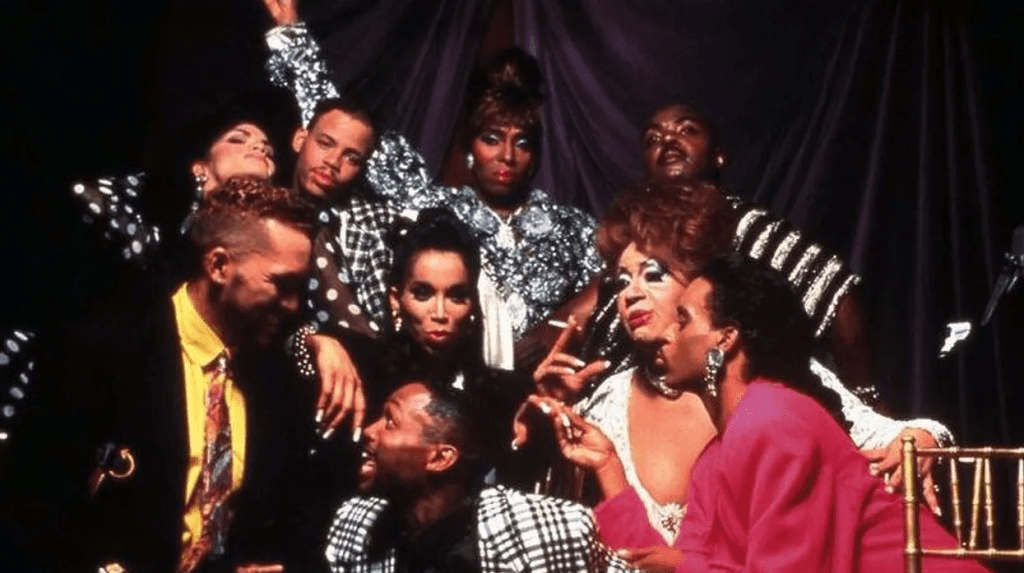
The balls in Paris Is Burning were radical sanctuaries where marginalized individuals could embody the dreams and identities that mainstream society denied them. Categories such as “executive realness” and “high fashion evening wear” were not just competitions—they were bold aspirations toward class mobility, gender expression, and a profound sense of belonging. Contestants wielded clothing as a tool to impress judges and, more importantly, to access—if only for a moment—worlds of power, glamour, and beauty. This transformative power of fashion, pioneered in the ballroom, pulses through today’s industry, where styling is synonymous with reinvention, self-discovery, and storytelling. Every instance in which fashion empowers someone to “become” another version of themselves—whether on a runway, in a magazine, or on the street—owes an unmistakable debt to the creativity and courage of ballroom culture.
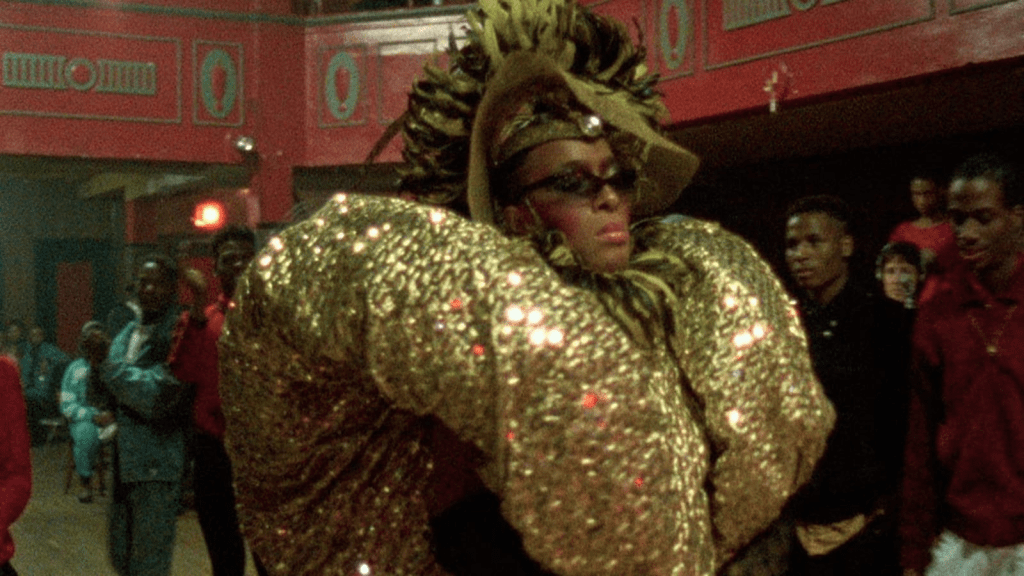
Styling today also echoes the ballroom tradition of ingenuity and resourcefulness. Many of the looks in the film were self-made, repurposed, or styled from thrifted garments because mainstream fashion was financially and socially inaccessible to the community. This ethic of remixing and recontextualizing resonates with current trends in DIY fashion, thrifting culture, and upcycling, which have gained prominence not only as sustainable practices but also as creative statements. The idea that style can emerge from resourcefulness rather than privilege is a direct continuation of ballroom aesthetics.
The ball scene’s influence is also evident in contemporary high fashion. Designers and brands regularly borrow from the visual language of voguing, drag performance, and exaggerated femininity that Paris Is Burning made visible. Houses like Balenciaga, Mugler, and Rick Owens have incorporated ballroom-inspired silhouettes, poses, and runway dramatics into their shows. However, this influence raises important questions about appropriation. The documentary reminds us that ballroom culture was born from the exclusion of queer people of color from mainstream fashion and nightlife. Today’s industry often profits from the aesthetics of ballroom without adequately crediting or compensating its originators. The popularity of voguing in pop music videos and fashion campaigns, for example, shows both the enduring power of ballroom culture and the risk of erasing its context of resilience and survival.
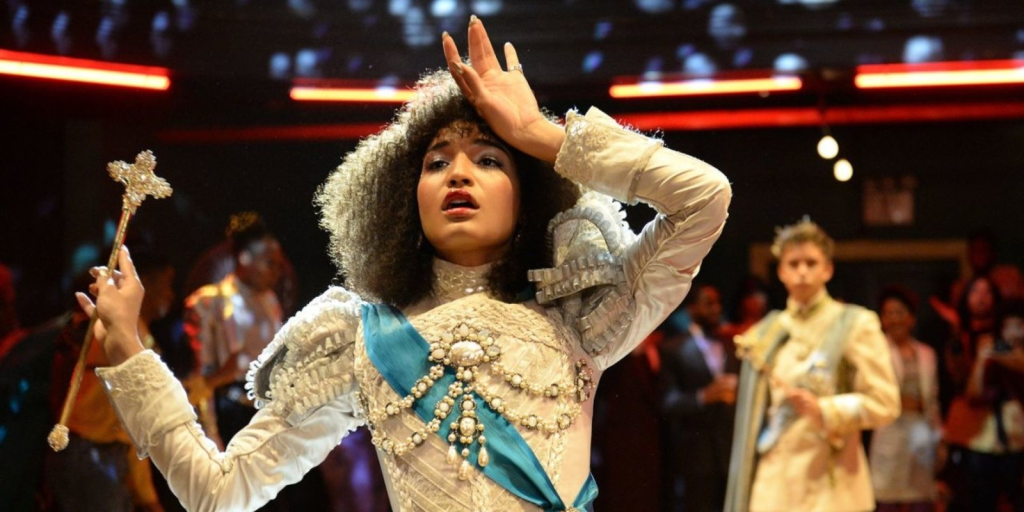
Moreover, Paris Is Burning anticipated the fashion industry’s current emphasis on diversity and gender fluidity. While the film documents a community largely ignored in its time, its celebration of non-normative identities resonates with today’s push for inclusive casting, unisex collections, and a broader definition of beauty. The concept of “walking” categories, which blur the boundaries of gender, race, and class, foreshadowed the current rethinking of fashion as a site of fluid expression rather than rigid categorization.
Ultimately, the documentary reveals that fashion is not just about clothes but about power, recognition, and survival. The ball participants crafted worlds of possibility in defiance of systemic marginalization. Today’s styling and fashion industry, whether consciously or not, continues to draw inspiration from this legacy. Recognizing ballroom’s contributions reminds us that fashion’s most radical innovations often come from the margins—and that its future depends on honoring those roots.

 Cat Jacobi
Leave a comment